
Structural Anatomy and Rehabilitation Sciences
Rachel Menegaz, PhD, Graduate Advisor
Research and Education Building RES-230 | Phone: 817-735-0126 | E-mail: Rachel.Menegaz@unthealth.edu
Handbook: For a copy of the Structural Anatomy and Rehabilitation Sciences Discipline Handbook, contact the graduate advisor.
Graduate Faculty: Cho; Farrell; Fricano; Gonzales; Lesciotto; Lovely; Maddux; Menegaz; Patterson; Tovar-Vidales.
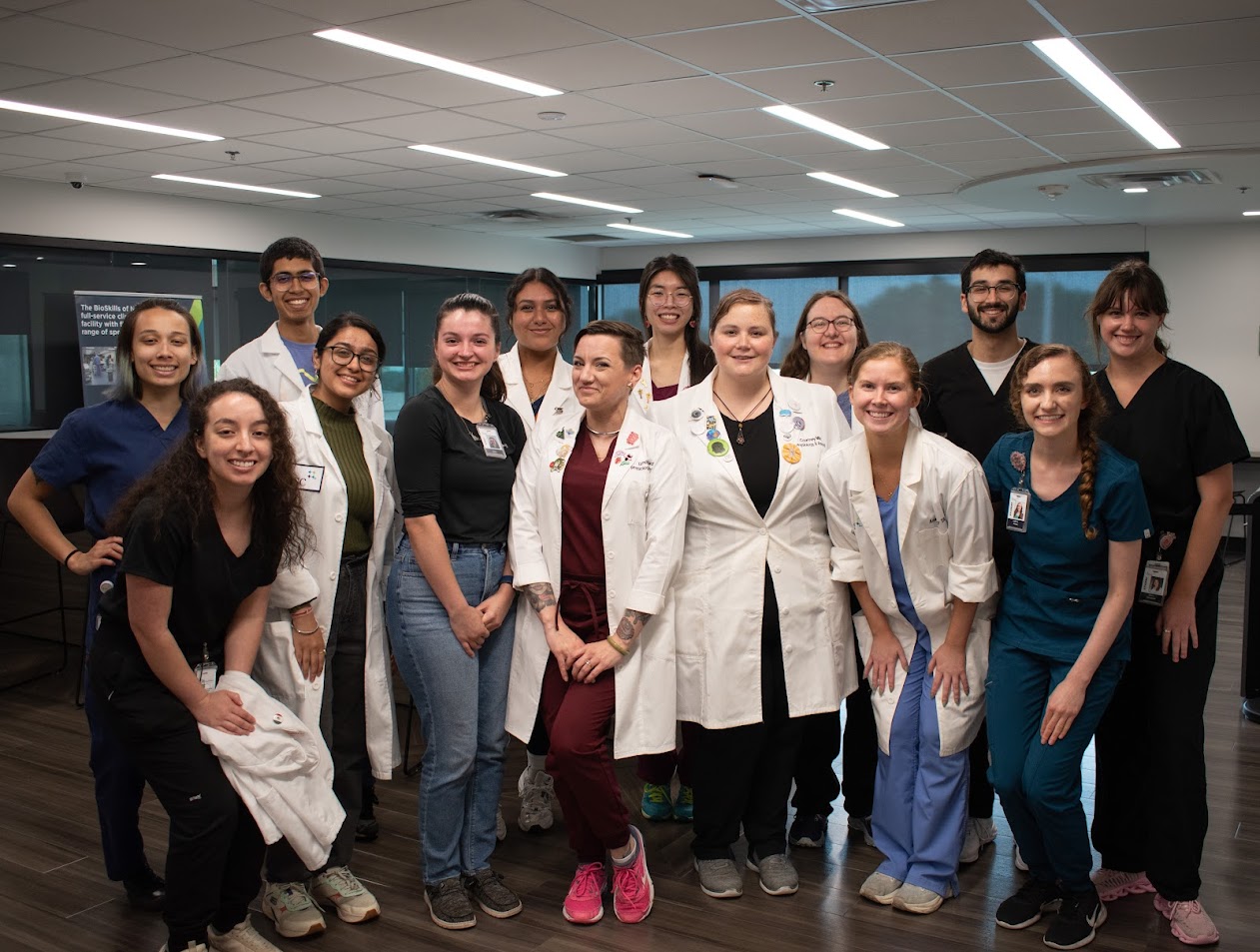
Structural Anatomy and Rehabilitation Sciences (STARS) focuses on the integration of anatomical form with biomechanical function using advanced experimental, computational, and clinical tools. Major research foci in the STARS discipline include: (1) functional morphology or the study of form-function relationships, evolutionary/adaptive significance, and mechanical behaviors of musculoskeletal tissues; (2) biomechanics, movement science, and neuromuscular integration; (3) clinical anatomical studies linked to applications in orthopedics and physical therapy; and (4) the analysis, design, and/or development of rehabilitation protocols, assessment tools and techniques, assistive devices, and instrumentation used in rehabilitation practice. STARS offers research opportunities, coursework, and teaching experiences that will develop and train students who will be qualified to serve as faculty members, researchers, and clinicians in various departments at health science centers, universities, and other research organizations.
All students entering the discipline will complete an integrated biomedical science core curriculum that includes fundamental principles of biochemistry, cellular and molecular biology, microbiology and immunology, pharmacology, physiology, and neurobiology. Beginning with the second semester, students will enroll in additional advanced courses for the discipline such as Applied Biomechanics, Structural Anatomy of the Musculoskeletal System, Structural Neuroscience, and other advanced elective courses, to be completed during their graduate career. Students are required to participate in seminars, work in progress (WIP) presentations, and journal club for the duration of their graduate career. Students will conduct original, publishable research and will be expected to present their results at the annual UNT Health Research Appreciation Day (RAD) and at national scientific conferences.
The completion of the M.S. degree typically requires two to three years; the Ph.D. degree is generally completed in four to five years. Graduates with advanced degrees typically find employment in higher education, industry and government agencies.
Stipend and benefits for PhD students
Research Strengths
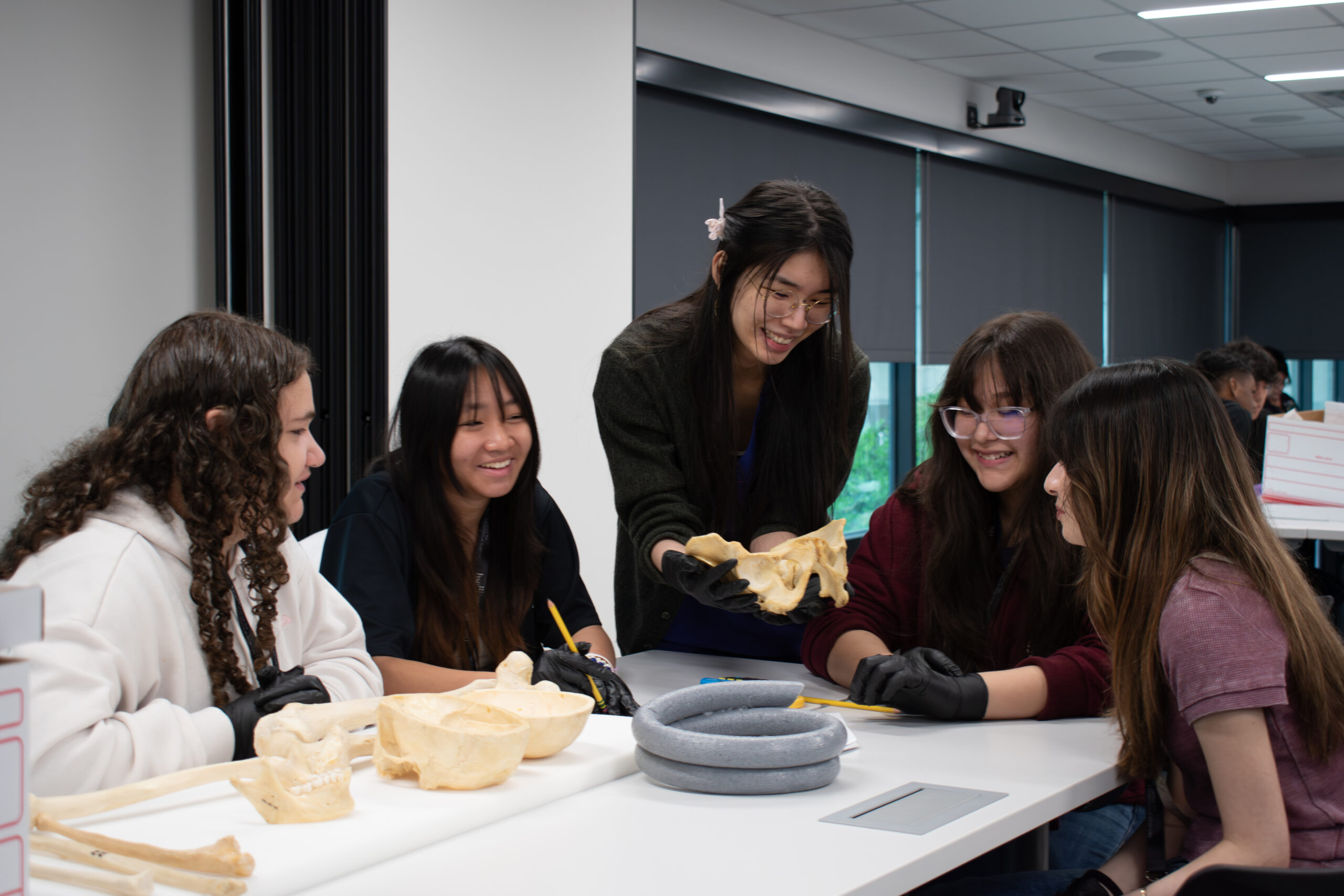
The discipline focuses on the integration of anatomical form with biomechanical function using advanced experimental, computational, and clinical tools. Major research emphases within the program include, but are not limited to:
Functional Morphology: Studies investigating the structure and function of human and animal anatomy from evolutionary and/or anthropological perspectives.
Biomechanics: Studies investigating musculoskeletal mechanics, movement, physiology, and performance using clinical tools and mathematical modeling.
Clinical Anatomy: Studies investigating the structure and variation of human anatomical tissues from a biomedical perspective.
Rehabilitation Science: Studies investigating the analysis, design, and development of orthopedic and rehabilitation protocols, techniques, tools, and assistive devices.
STARS Faculty
 |
Rachel Menegaz, PhD. STARS Graduate Advisor Associate Professor, Department of Physiology and Anatomy, Center for Anatomical Sciences Musculoskeletal biology, craniofacial biomechanics and feeding, developmental plasticity, osteogenesis imperfecta, brain-skull interactions, early life stress. |
. |
. |
 |
Elizabeth Cho, Ph.D. Assistant Professor, Department of Physiology and Anatomy, Center for Anatomical Sciences Biological anthropology, human evolution, climactic adaptation, sexual dimorphism. |
 |
Hannah Farrell, PhD. Assistant Professor, Department of Physiology and Anatomy, Center for Anatomical Sciences Comparative anatomy, locomotor biomechanics, human & primate evolution. |
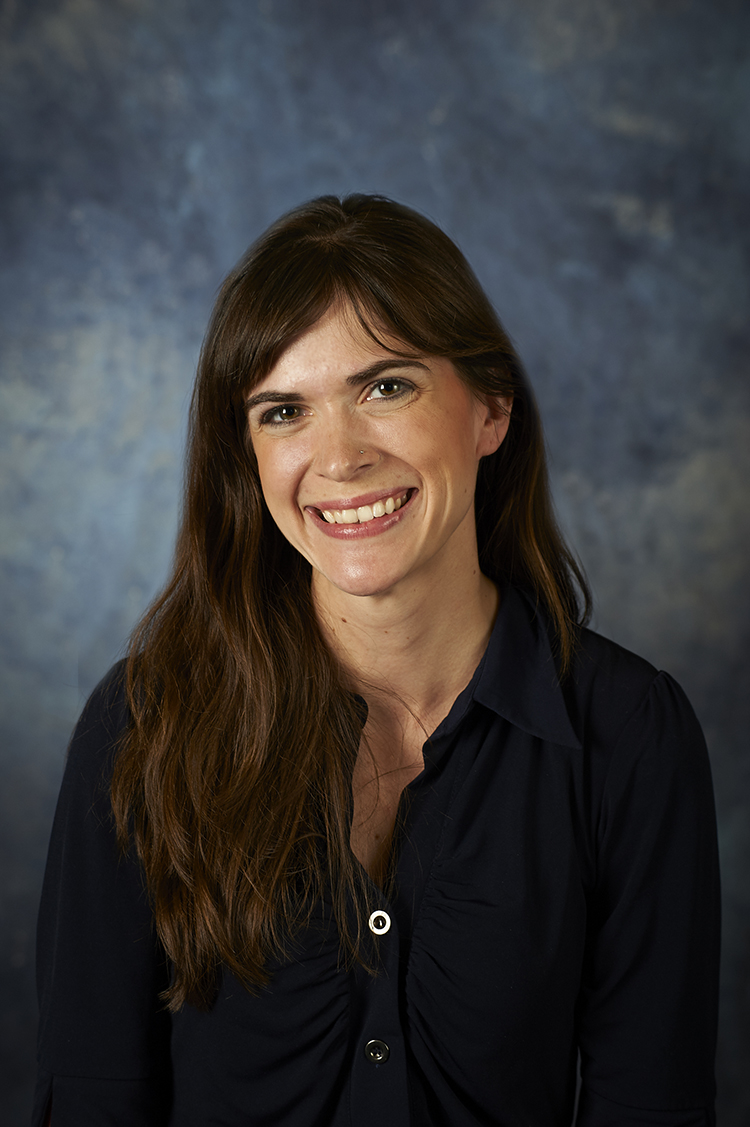 |
Ellen Fricano, PhD, D-ABFA. Associate Professor, Department of Physiology and Anatomy, Center for Anatomical Sciences Forensic Anthropology, evolutionary development, functional anatomy, craniofacial development of human and nonhuman primates. |
. |
. |
 |
Lauren Gonzales, PhD. Assistant Professor, Department of Physiology and Anatomy, Center for Anatomical Sciences Biological anthropology, primate evolution, brain and sensory anatomy, field paleontology. |
. |
. |
 |
Kate Lesciotto, PhD, JD, D-ABFA. Associate Professor, Department of Physiology and Anatomy, Center for Anatomical Sciences Forensic anthropology, biological profile estimation, biological anthropology, craniofacial anatomy. |
. |
. |
 |
Rehana Lovely, PhD. Associate Professor, Department of Physiology and Anatomy, Center for Anatomical Sciences Human anatomical variation, education science and community outreach research. |
. |
. |
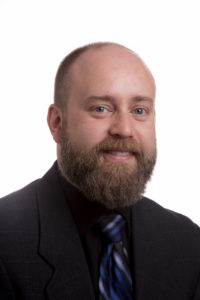 |
Scott Maddux, PhD. Associate Professor, Department of Physiology and Anatomy, Center for Anatomical Sciences Biological anthropology, human evolution and variation, respiratory biomechanics, climatic adaptation and thermoregulation. |
. |
. |
 |
Rita Patterson, PhD. Professor, Associate Dean for Research, Dept. of Family Medicine and Osteopathic Manipulative Medicine Biomedical engineering, hand and wrist biomechanics, kinematics, motion capture. |
. |
. |
 |
Tara Tovar-Vidales, PhD. Instructor, Department of Physiology and Anatomy, Center for Anatomical Sciences Glaucoma, pathology. |
Research Facilities
Bone and Joint Research Laboratory: Equipped with cutting-edge technologies, including instruments for assessing biomechanical material properties (MTS 858 mini Bionix II) and motion tracking (Polhemus LIBERTY 6D), the Bone and Joint Research Laboratory supports investigations of hard and soft tissue biomechanics.
Comparative Anatomy and Morphometrics Laboratory: The CAM Lab supports investigations of anatomy in both humans and non-human species. The lab facilitates 3D quantitative analyses of anatomy using modalities such as 3D laser scanning, computed tomography (CT) and magnetic resonance imaging (MRI).
Evolutionary Anatomy and Education Research Laboratory: The “EvolvEd” Lab facilitates the storage and study of fossil/skeletal material from paleontological excavations and experimental studies. The lab houses high-precision 3D laser scanners (Artec Space-Spider and Artec Micro) and equipment for high-resolution photography and casting. The lab also actively supports education science research.
Forensic Anthropology Laboratory: The FAL supports forensic anthropology research and is equipped with a cutting-edge Keyence VHX digital 3D microscope, as well as standard osteometric equipment and Microscribe Digitizer. The lab also houses a comparative non-human osteology collection.
Human Movement Performance Laboratory:The HMP laboratory is equipped with a motion analysis system for kinematic testing of normal and pathological motion, force plates for measurement of center of pressure, and computational facilities for creating patient-specific models and simulations.
Human Thermoregulation Laboratory: The Human Thermoregulation Lab is equipped with a 150 ft2 Cantrol walk-in environmental chamber to support experimental investigations into the interaction between human anatomy and thermoregulatory physiology during exposure to different climatic conditions.
Musculoskeletal Biology Laboratory: The MBL is equipped for dissection- and histological-based analyses of hard and soft tissues. The lab houses a histological bench for paraffin-based histology and immunohistochemistry, a Meiji MT5000 biological microscope with 4-60x objectives, a Meiji EZM stereo microscope, a NightSea adapter system for whole-mount fluorescent imaging, and a PathScan Enabler 5 slide scanner.
3D Printing Laboratory: The 3D Printing Lab houses advanced printing technologies for educational, outreach, and research purposes. These include 3D printers (Ultimaker 3e, Form 3L) for the production of hyper-accurate 3D anatomical models and a large-format printer (HP Designjet Z5200) for cost-efficient printing of high-resolution faculty/student research posters.
Other affiliated facilities on campus:
ITR Imaging Center: A part of the new 20,000 square foot Clinical Core in the Institute for Translational Research (ITR), the Imaging Center houses two Siemens Biograph Vision 450 PET/CT scanners and two Siemens MAGNETOM Vida MRI scanners for use by UNT Health researchers.
UNT Health Discovery Centers: A part of the UNT Health “Open Innovation Initiative”, the two Discovery Centers on campus provide shared laboratory space for students and faculty to access state-of-the-art equipment not available in most research labs.
UNT Health Microscopy Core: Equipped with high-powered confocal (laser scanning) microscopes and accompanying image analysis workstations, the Microscopy Core is available for use by all UNT Health researchers (training is also provided).
UNT Health Preclinical Imaging Core: This core facility is equipped with the necessary equipment for in-vivo, high resolution imaging of small animals. This core features a 7T MRI system, a CT 80 system with a PET Clip-On ring from MR Solutions, and PowerScan and VivoQuant work stations for image analysis. The CT 80 is capable of stand-alone CT operations and can be used with the PET ring for sequential multimodality imaging.
Degree Plans
Both Ph.D. and M.S. degree programs may be entered by applicants holding a Bachelor’s degree. An M.S. degree is not a prerequisite for completing the Ph.D. program. Completion of the M.S. degree typically requires 2 years; the Ph.D. degree is generally completed in 5 years.
Detailed information regarding each degree can be found in the STARS Handbook (see above).
Application Procedures
All applicants to the Structural Anatomy and Rehabilitation Sciences (STARS) graduate discipline must apply through the UNT Health College of Biomedical and Translational Sciences. Specific application guidelines are available for each degree: M.S. application guide; Ph.D. application guide (note the M.S. in Biomedical Sciences (STARS) degree is a “traditional” research-based M.S. degree at UNT Health).
Individuals interested the STARS discipline are strongly encouraged to inform the Graduate Advisor, Dr. Rachel Menegaz (Rachel.Menegaz@unthealth.edu), or a prospective STARS faculty mentor (see list above) of their intent prior to submitting an application.
Conference Travel Awards
Anatomy Travel Award Program (Center for Anatomical Sciences): $500-650 per student, preference for presenters. Rolling deadline. Application available here.
SABS Travel Awards (Student Association of Biomedical Sciences): $600 per student for conference presenters; $400 for workshop attendees. Deadlines: by cycle, see application for details. Application available on the UNT Health Engage website on the SABS page.
Contact
Rachel Menegaz, Ph.D.
STARS Graduate Advisor
Center for Anatomical Sciences
Phone: 817-735-0126
E-mail: rachel.menegaz@unthealth.edu