
Performing Arts Medicine helps artists thrive
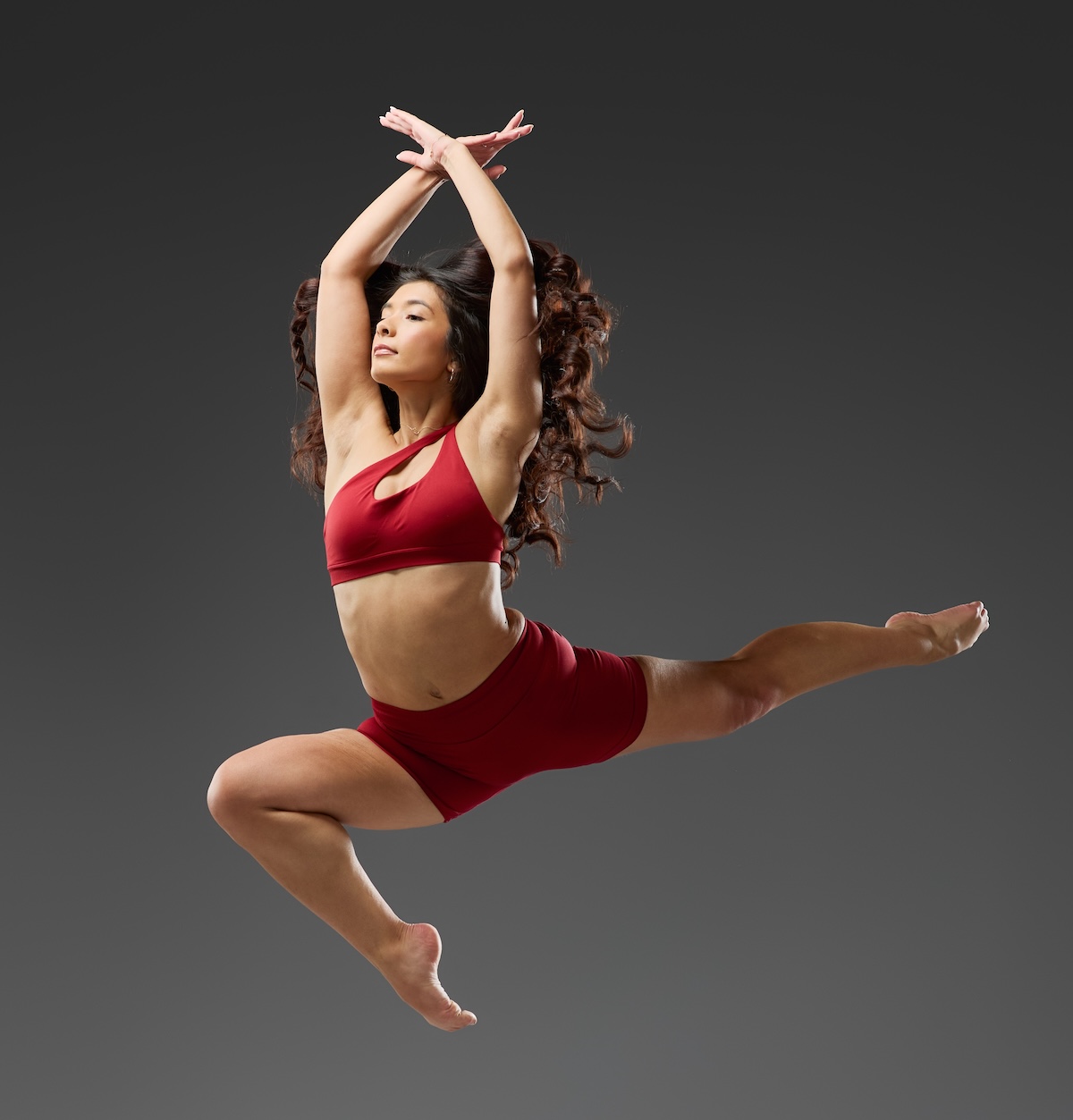 When audiences watch a musician perform a concerto, a dancer take the stage or an
actor deliver a powerful performance, they often see only the finished product. What
they don't see are the physical and mental demands required to perform at a high level
day after day.
When audiences watch a musician perform a concerto, a dancer take the stage or an
actor deliver a powerful performance, they often see only the finished product. What
they don't see are the physical and mental demands required to perform at a high level
day after day.
For Dr. Sajid Surve, founder of the Performing Arts Medicine Division at the Texas College of Osteopathic Medicine at UNT Health Fort Worth, helping performers stay healthy has become a career-long passion. A musician himself, Surve has spent years building awareness around the unique health challenges faced by artists and advocating for specialized care designed to meet their needs.
Surve has established Performing Arts Medicine clinics at institutions and organizations across North Texas, including the University of North Texas, Texas Christian University, Texas Woman's University, Texas Ballet Theater, the Fort Worth Opera and the Turtle Creek Chorale. In 2019, he also founded the world's first physician fellowship in Performing Arts Medicine.
Surve shares why performers deserve the same level of health care support as athletes and what artists can do to protect their health throughout their careers.
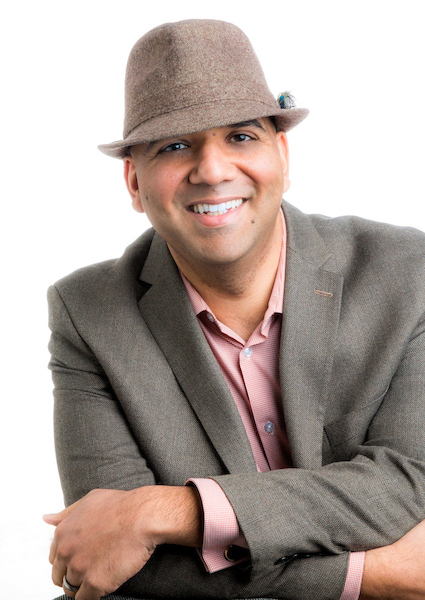
Dr. Sajid Surve
What is Performing Arts Medicine?
Performing Arts Medicine focuses on the prevention, diagnosis and treatment of health concerns specific to performers, including dancers, instrumentalists, vocalists and actors.
"Every section of the workforce has specific needs that belong only to that group," Surve said. "When we talk about Performing Arts Medicine, we're referring to the specific medical problems of performing artists."
How are performers similar to athletes?
According to Surve, performers and athletes have more in common than many people realize. Both spend years developing highly specialized skills, perform under pressure and face significant risks of injury.
"They are required to perform at an extremely high level at all times," Surve said. "In both groups, there's a high level of perfectionism, performance anxiety and musculoskeletal injury."
The difference, he said, is that athletes are often surrounded by support systems that performers lack.
"In sports, there are trainers, sports medicine physicians, nutritionists and psychologists," Surve said. "Meanwhile, many performers are left to figure things out on their own."
What are the most common health concerns performers face?
One of the biggest challenges performers face is repetitive stress injury.
Whether it's a violinist practicing for hours, a singer performing night after night or a dancer repeating the same movements, performers often place significant strain on muscles and joints over time.
"Performing artists do very specific movements over and over again," Surve said. "You're using muscles in ways the body wasn't necessarily intended to sustain for hours at a time."
Research shows that injury rates among performers can rival those seen in athletics. Yet many artists delay seeking help because of fear that an injury could jeopardize future opportunities.
What can performers do to stay healthy?
Surve encourages performers to recognize that their bodies are an essential part of their craft.
"Your body is your instrument," he said.
He recommends performers build a team of trusted health professionals, pay attention to early signs of discomfort and take recovery seriously.
One of the most important lessons he teaches is the difference between rest and recovery.
"Performers often feel guilty when they're not practicing," Surve said. "But recovery is part of the process. Taking breaks, stretching and allowing your body to recover helps support a longer, healthier career."
What's your top healthy take?
For performers and nonperformers alike, Surve's advice is simple: prioritize recovery.
"Optimal health means you perform on your timeline, not your injury's timeline," he said. "If you want to keep doing what you love for years to come, taking care of your body has to be part of the plan."