
Neuropsychology

Memory Testing & Neuropsychology Services
Throughout seasons of life, our cognitive function and abilities change. If emotional responses or thoughts seem hard to control for you or a loved one, know you are not alone! Our consultations diagnose and treat brain-based disorders such as…
- Dementia vs. Mild Cognitive Impairment
- Alzheimer’s Disease
- Vascular Dementia
- Lewy Body Type Dementia
- Frontotemporal Dementia
- Brain tumors
- Concussion
- Parkinson’s disease vs. Parkinson’s dementia
- Post-traumatic stress disorder
- Multiple Sclerosis
- Seizure disorders
- Traumatic brain injury
- Adult attention disorder
- And other complex conditions
Meet Your Neuropsychology Team
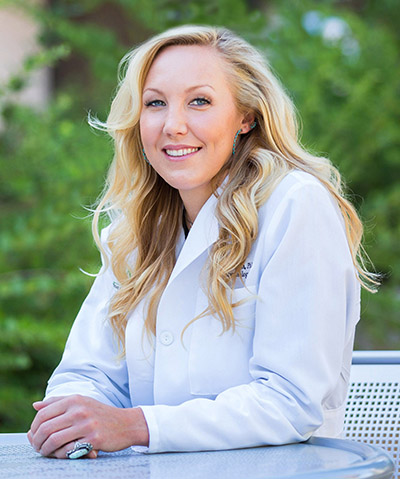
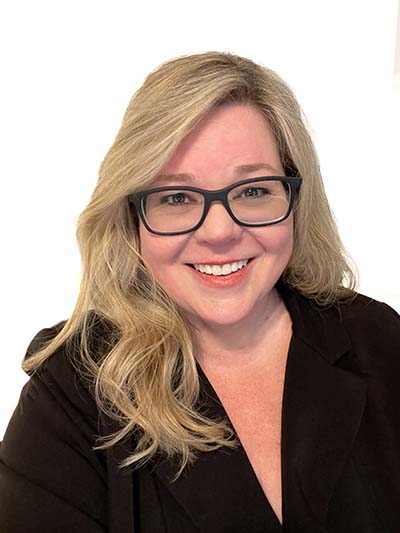

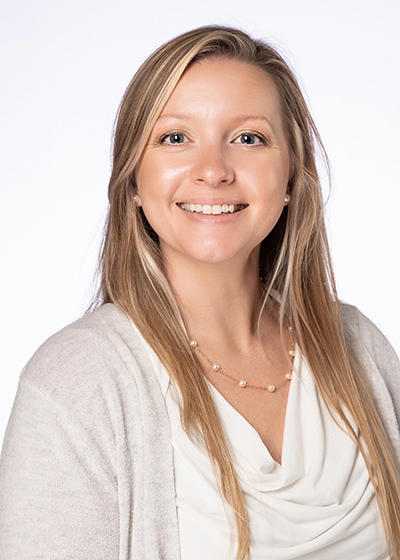
Geriatric Neuropsychology in Fort Worth, TX

Memory Testing Center
Forgetfulness is a normal part of aging, but memory loss is not. It can be hard to tell when a loved one is demonstrating early signs and symptoms of dementia. Memory testing for Dementia typically involves a short exam known as the mini-mental state examination (MMSE). This exam evaluates cognitive function in five different areas.

Pre-Surgical Evaluations
This includes tests that evaluate memory, language, personality, and thinking. These tests are repeatable after surgery to see if there is any change in mental functioning.

Neuropsychology & Cognitive Screening Tests
This includes tests that evaluate memory, language, personality, and thinking. These tests are repeatable after surgery to see if there is any change in mental functioning.
Schedule a Neuropsychological Evaluation
1. Call 817-735-2400
We can help you establish care with your neuropsychologist or have your primary care provider send a referral.
2. Complete Memory Testing
Tests evaluate memory, thinking, judgment, attention, language, and problem-solving abilities, and can quickly assess changes in behaviors and symptoms.
3. Family Conferences Set Expectations
As memory loss progresses, your care team can meet with all family members involved in the patient’s care to ensure that everyone is informed
Our Patients Are Saying…
★ “Excellent experience. Outstanding staff; friendly, caring, thorough, and professional. Best experience for memory testing. Will definitely let my neurologist know of this great experience, for potentially referring other patients.“
★ “In my opinion, you did everything really well. The doctor and the lady that give me my test were fantastic…I would definitely recommend them to all my friends and anyone else that asked. I’m so glad that you are there to help me. Thank you very much.“
★ “My son’s visit was very pleasant, not rushed. Explained in detail and offered suggestions so that we are able to receive all of the support that is needed to understand his condition thoroughly.“
More About Your Care Team
Primary Care Provider (Physician)
Your primary care physician leads your care team and serves as your main point of
contact for managing your overall health. They coordinate your care across specialties,
make complex medical decisions, and are responsible for diagnosing and treating a
wide range of health conditions.
Advanced Practice Provider (APP)
An advanced practice provider is a nurse practitioner or physician assistant licensed
in the state of Texas. Working closely with your physician, your APP provides preventive
care, manages chronic conditions, and treats acute health issues to help keep you
well.
Licensed Vocational Nurse (LVN)
The licensed vocational nurse plays a key role in supporting your health between and
during visits. LVNs assist with medication management, medical questions, and help
explain test results so you can better understand your care.
Medical Assistant (MA)
Medical assistants help ensure you’re prepared for your visit and that you receive
recommended screenings and preventive services. MAs can administer vaccines, and you
may hear from them between visits for follow-up.
Clinical Social Worker
Your clinical social worker helps identify and address barriers that may affect your
health—whether emotional, social, or practical. They can provide counseling or connect
you with community resources to support behavioral health and social needs.
Resident
Residents are licensed physicians who are completing specialized training in their
chosen field of medicine. Under the supervision of your primary care doctor and attending
physicians, residents provide hands-on care and play an active role in your diagnosis
and treatment.
Fellow
Fellows are physicians who have completed residency and are undergoing advanced training
in a medical specialty. Fellows work closely with your care team to provide expert-level
care while gaining additional experience in complex or focused areas of medicine.
Student
You may encounter medical, physician assistant, pharmacy, or other health professional
students during your visit. These students are part of our academic mission and work
under the close supervision of licensed providers. Their involvement enhances your
care by bringing fresh perspectives and contributing to a collaborative team environment.
Our clinical assessment services have focused on several medical/ psychiatric conditions:
- Adult attention disorder
- Anoxic injury
- Brain tumors
- Dementia
- Multiple Sclerosis
- Parkinson’s disease
- Traumatic brain injury
- Post-concussion syndrome
- Post-traumatic stress disorder
- Seizure disorder
- Deep brain stimulation
- Gastric bypass
- Other pre-surgical evaluations
We assess various domains including:
- Intellectual functioning
- Academic/achievement abilities
- Executive functioning
- Attention
- Language
- Visuospatial abilities
- Learning and memory
- Sensory perceptual
- Motor
- Personality/emotional functioning
Yes, dementia is an umbrella term that encompasses everything from mild cognitive impairment to severe memory loss. People with dementia experience loss of memory or other thinking abilities that are severe enough to interfere with daily life. This can include
- Alzheimer’s disease
- Vascular dementia
- Lewy body dementia
- Huntington’s disease
- Or mixed dementia (dementia from more than one cause)
Visit the Alzheimer’s Association to view a full list of possible dementias.
The evaluation usually begins by meeting with the neuropsychologist to review your medical history, considering all possible causes for changes in thinking and memory. Then cognitive, functional, and behavioral tests are utilized to assess thinking, memory, problem-solving, language, visuospatial abilities, and processing speed.
There are many resources for caregiver support and guidance! UNT Health Center for Older Adults hosts Dementia Cares, a free online program that lasts 9 weeks. Other resources that may be helpful include:
- The Alzheimer’s Association
- The Alzheimer’s Foundation of America
- The National Institute on Aging
- Eldercare Locator
- Pillars of Brain Health
Your doctor will recommend resources specific to our patients with a dementia diagnosis in Fort Worth during feedback appointments to help support both the patient and caregivers.
Beyond neuropsychology, we offer specific Geriatric Neuropsychology and Geriatric Psychiatry. UNT Health Clinical Practice Group also includes complete primary care for children, families, and older adults, as well as multiple specialties, all within one convenient location. To schedule an appointment with our Center for Older Adults, please call 817-735-2400.
Location
855 Montgomery St.
Health Pavilion, 4th Floor
Fort Worth, TX 76107
817-735-2400
Clinic Hours
Monday – Friday
8 a.m. – 5 p.m.
Appointments
Give us a call at 817-735-2400 to schedule an appointment.