
Performing Arts Medicine
Performing Arts Medicine: Enhancing Performance Through Care
Performing Arts Medicine helps you stay at your best, both on stage and off. At our clinic, performers like dancers, singers and musicians receive personalized care that treats injury, prevents future problems and boosts overall performance. Our experienced specialists understand the unique health needs of artists, providing focused therapy that keeps you performing confidently and comfortably. Whether recovering from a dance injury or maintaining vocal health, we’re dedicated to helping you achieve peak artistic performance through specialized medical care.

Perform Without Pain

Protect Your Voice

Dance Injury Recovery
Take Center Stage with Performing Arts Medicine in Fort Worth
Our board-certified and highly trained physicians take a comprehensive view of performance-related illness and injury. Beyond injury prevention, we also include treatment for issues such as:
- Injury diagnosis and management
- Pain management
- Osteopathic manipulative treatment
- Return-to-stage recommendations
- Laryngeal myofascial release
- Medical acupuncture
- Corticosteroid injections
- Orthobiologics – Prolotherapy, Platelet Rich Plasma (PRP)
- Pointe clearance
- Instrument/equipment evaluation and modification
- Bracing
- Practice recommendations
Meet Your Team

Tailored Care for Performing Artists Musicians
Musicians
Music is physical, as evidenced by neck pain due to violin performance or embouchure issues related to trombone performance.
Vocalists
Issues like congestion, throat pain, and vocal nodules make it hard to sustain your voice. Proper vocal care is essential to sounding your best.
Dancers
Repetitive motions and extensive stretching are necessary to dance, but can cause muscle and joint pain over time.
General Information
Performing Arts Medicine is a specialized area of health care focused on diagnosing, treating and preventing conditions that affect performing artists. These can include musicians, dancers, vocalists and actors.
Performers face physical and emotional demands similar to professional athletes. However, their injuries often affect fine motor control, posture or breathing—areas essential for artistic performance. This field brings together medical knowledge from disciplines such as:
- Orthopedics
- Physical medicine and rehabilitation
- Sports medicine
- Pain medicine
- Occupational medicine
- Neurology
- Otolaryngology (ENT)
- Audiology
- Speech language pathology
- Physical Therapy
- Occupational therapy
- Psychology/sports psychology/psychiatry
At its core, Performing Arts Medicine aims to help artists return to their craft with confidence, prevent future injuries and improve performance quality. We also provide specialized care for anyone that makes every performance possible, such as the costume team, stage crew and sound team.
Who Provides Performing Arts Medicine?
These services are provided by physicians who understand the unique needs of performing artists. At UNT Health Clinical Practice Group, our clinicians use evidence-based treatments designed specifically for the artistic lifestyle.
What Makes It Different?
Unlike other specialties, Performing Arts Medicine considers how an injury or condition impacts a person’s ability to perform.
A strained wrist may not stop someone from walking, but it could sideline a violinist for weeks. This focus on function makes care more targeted and effective.
In order to protect your ability to perform at your best, call 817-735-2455 to schedule a consultation with our Performing Arts Medicine team today.
Performing Arts Medicine provides targeted care that helps artists stay healthy, perform better and recover faster. Because every performer’s body is their instrument, even minor injuries can have a major impact on their ability to work.
Key Benefits for Performers
- Early Diagnosis and Treatment: Issues — like vocal strain or joint tightness — can quickly worsen and threaten your performance. Early medical attention helps prevent long-term damage.
- Customized Injury Prevention Plans: Our team designs prevention strategies based on your specific activity, whether you sing opera, play piano or dance ballet.
- Faster Recovery: We offer specialized rehabilitation that supports both healing and a safe return to the stage, often faster than standard approaches.
- Performance Optimization: Through postural assessments, breathing techniques and targeted therapy, we help you unlock your full artistic potential.
- Longevity in Your Career: A sustainable career requires long-term wellness. Performing Arts Medicine helps artists maintain peak performance for years, not just weeks.
As a result of personalized care, many performers achieve longer, healthier careers. Call 817-735-2455 to schedule your appointment today.
Anyone whose body or voice is central to their performance should consider consulting a Performing Arts Medicine specialist. You don’t have to be a full-time professional to benefit. Injury prevention and care are just as important for students, educators and passionate hobbyists.
Common Groups Who Benefit From Care
- Musicians: Guitarists, pianists, violinists, drummers and wind/brass players often face repetitive strain, posture issues or nerve compression.
- Singers and Vocalists: Those who rely on their voice for singing, acting or speaking may experience vocal fatigue, hoarseness or nodules.
- Dancers and Choreographers: Ballet, modern, hip-hop and other styles all place intense physical demands on the body. Preventing chronic joint and tendon injuries is key.
- Actors and Theater Performers: Stage work often involves vocal projection, repetitive movement and emotionally taxing roles — each of which can take a physical toll.
- Performing Arts Students: High school, college and conservatory students are especially vulnerable to overuse injuries due to long hours of practice and limited recovery time.
- Teachers and Coaches: Those who demonstrate movements or vocal techniques regularly are also at risk and deserve preventive care and support.
- Stage Crew: Stagehands, audio/visual technicians and roadies working with touring performers need specialized medical care as well.
When to Seek Help
Consider seeing a specialist if you:
- Feel pain, stiffness or fatigue during or after performing
- Notice changes in your voice, breath support or range
- Are recovering slowly from a recent injury
- Want to prevent injuries while increasing your training or performance schedule
- Are returning to the stage after time off
In order to protect your body and artistic future, connect with a Performing Arts Medicine specialist by calling 817-735-2455 to schedule your appointment today.
Performing Arts Medicine addresses a wide range of conditions that affect the muscles, joints, nerves and vocal systems of performers. These conditions often develop gradually due to repetitive use, poor technique or performance-related stress.
Common Performing Arts Conditions Treated
- Repetitive Strain Injuries (RSIs) or Overuse Syndromes: Includes nerve entrapments such as carpal tunnel syndrome or tendonitis like tennis elbow — often seen in musicians and dancers.
- Vocal Disorders: Such as vocal cord nodules, polyps, vocal fatigue, hoarseness and muscle tension dysphonia in singers, actors and speakers.
- Postural and Alignment Issues: Chronic back pain, neck stiffness and joint strain often result from prolonged static postures or poor ergonomics during performance.
- Joint and Muscle Pain: Includes rotator cuff injuries, hip impingement, knee instability and ankle sprains — especially common in dancers and instrumentalists.
- Breathing and Support Challenges: Diaphragm tension, rib dysfunction and breath coordination issues can affect wind instrument players, singers and stage actors.
Specialized Care for Unique Roles
- Dancers receive treatment plans focused on lower limb strength, balance and injury prevention.
- Singers and vocalists benefit from hands-on treatment for muscle tension dysphonia and vocal hygiene education. We also have relationships with a team of specialists in D-FW perform laryngoscopic evaluation for professional singers.
- Musicians benefit from instrument-specific ergonomics, fine motor training and nerve function support.
In order to prevent long-term damage and return to peak performance, reach out to our team by calling 817-735-2455 for expert care.
Performing Arts Medicine focuses on the functional needs of artists, not just their symptoms. While many practitioners treat common illnesses and injuries, Performing Arts Medicine evaluates how those conditions affect a performer’s ability to sing, dance, play or act.
Key Differences That Matter to Performers
- Function-Based Approach: Many areas of medicine may focus on pain relief or physical recovery. Performing Arts Medicine goes further — restoring fine motor skills, vocal control, posture and performance stamina.
- Performance-Centered Evaluation: A typical evaluation might miss issues that only arise during performance. Our specialists observe your movements, technique or vocal use in real time to pinpoint problems others may overlook.
- Collaborative Care Model: Performing Arts Medicine often involves a team of specialists, including:
- Physical medicine and rehabilitation specialists trained in musculoskeletal and pain medicine
- ENTs for voice-specific issues
- Speech language pathologists who understand voice users
- Physical and occupational therapists who understand performing artists
- Mental health professionals with experience working with performance anxiety and other mental health disorders common in performing artists
- Artist-Specific Treatment Plans: Recovery is tailored to your instrument, schedule and technique. A treatment plan for a flutist differs from one for a dancer — even if the diagnosis is similar.
- Injury Prevention Focus: General care typically addresses issues after they occur. Performing Arts Medicine helps prevent injuries through ergonomic coaching, body mechanics and vocal hygiene.
In order to get care tailored to your artistic needs, contact our Performing Arts Medicine team and schedule your appointment by calling 817-735-2455 today.
Yes, many Performing Arts Medicine services are covered by insurance. However, coverage can vary depending on your plan, provider network and the type of service needed.
At UNT Health Clinical Practice Group, we’re committed to making this specialized care accessible to all performers. We offer insurance and self-pay options, along with limited grant-funded care for those in financial need.
What’s Typically Covered?
Most insurance plans provide coverage for medically necessary services, including:
- Physical therapy and occupational therapy
- Speech language pathology
- Specialist visits for joint, nerve or muscular conditions
- Osteopathic Manipulative Treatment (OMT)
- Ultrasound evaluation
- Corticosteroid injection
- Diagnostic imaging or evaluations recommended by your provider
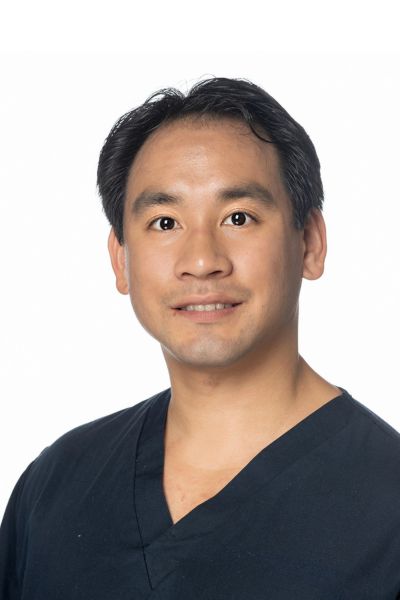
Patients with insurance may schedule care through our OMM clinic with Dr. Fung, Dr. Lee or Dr. Surve, all of whom treat performing artists and accept most major insurance plans.
What if I Don't Have Insurance?
If you’re uninsured or underinsured, you may qualify for care through our Fellow’s Clinic, which is grant-funded and dedicated to supporting performers with high out-of-pocket costs or no insurance coverage. Due to limited funding, this clinic is available only on Monday afternoons.
What May Require a Prior Call to Your Insurance Company?
- Injury prevention or wellness services: Some plans may not cover preventive or performance-optimizing care unless linked to a specific diagnosis.
- Out-of-network specialists: Be sure to check your insurance network before scheduling.
We’re here to help. Our clinic team will assist with insurance verification, explain your benefits and guide you through any required authorizations. Whether you’re insured or not, we’ll help you find the care you need.
In order to explore your coverage options, contact our team by calling 817-735-2455 to schedule with one of our performing arts medicine specialists today.
Performing Arts Medicine is not just about treating injuries — it’s about helping you perform stronger, longer and with greater confidence. Whether you’re a dancer, vocalist, musician or actor, repeated physical or vocal stress can take a toll. Our team at UNT Health Clinical Practice Group is here to help protect your craft for the long haul.
Ways We Support Long-Term Performance Health
- Injury Prevention Plans: We assess your movement, posture or vocal technique to reduce strain before it leads to damage.
- Technique-Focused Therapy: Treatments are designed to improve how you move or perform — whether that’s singing, leaping or playing an instrument.
- Early Detection of Overuse: Many artists push through pain until it becomes a serious issue. We identify injuries early so you can address them before they affect your performance.
- Tailored Recovery Timelines: Unlike general providers, we plan your healing with your performance calendar in mind, keeping you in rhythm without risking setbacks.
- Whole-Body Wellness: Long careers require more than just physical strength. We help manage sleep, stress, anxiety and emotional fatigue that can effect your performance career.
In order to protect your talent and extend your artistic journey, schedule a consultation with our Performing Arts Medicine team today by calling 817-735-2455.
The Performing Arts Medicine (PAM) Fellowship at UNT Health is a one-year advanced training program designed to develop expertise in the prevention, diagnosis, and treatment of health conditions affecting performing artists. While not ACGME-accredited, the fellowship is structured to meet ACGME fellowship standards and provides progressive clinical, academic, and research experiences under the supervision of specialists in the field. The program integrates medical sciences and performing arts medicine to prepare physicians to deliver high-quality, evidence-based care to performing artists. More information and application process available in this website.
Voice and Vocal Health
Your voice is your instrument — and it requires expert care to stay strong, clear and healthy. At UNT Health Clinical Practice Group, our Performing Arts Medicine team provides targeted treatments for vocal health, addressing both common and complex voice issues.
We treat professional vocalists, worship leaders, theater actors, teachers, public speakers and students who rely on their voices daily.
Key Treatments for Vocal Health
- Osteopathic Manipulative Treatment (OMT): OMT relieves tension in the neck, jaw, ribs and diaphragm — areas that directly affect vocal control and stamina. OMT also helps with voice fatigue, muscle tension, dysphoni and pitch inconsistencies.
- Voice Therapy: We refer frequently to speech language pathologists for voice therapy. Voice therapy
helps retrain vocal habits, reduce strain and improve projection. It’s especially
helpful for:
- Vocal fatigue
- Hoarseness
- Pitch inconsistencies
- Muscle tension dysphonia
- ENT Referral: We work closely with a team of ENTs in DFW and refer patients as needed.
- Posture and Breath Training: Proper alignment and breath control can significantly improve tone and reduce stress on the vocal cords.
- Vocal Hygiene Education: Singers learn how hydration, rest, diet and speaking habits affect long-term vocal health. Prevention is a key part of every plan.
- Neuromuscular Re-education: For singers recovering from injury, our team may use gentle exercises to retrain how your voice works in sync with breath and muscle support.
In order to protect your voice and enhance your vocal performance, schedule an evaluation with our Performing Arts Medicine team today by calling 817-735-2455.
Yes, Performing Arts Medicine plays a vital role in the diagnosis, treatment and recovery process for vocal fold nodules. At UNT Health Clinical Practice Group, our team provides specialized care that helps singers and speakers heal without compromising their voice.
Vocal fold nodules — also called “singer’s nodules” — are small, benign growths on the vocal folds caused by overuse, poor technique or vocal strain. They can lead to hoarseness, reduced vocal range, breathiness or pain while speaking or singing.
How We Treat Vocal Cord Nodules With Performing Arts Medicine
- Laryngology Evaluation: We partner with ENTs who use a scope to visually assess the vocal folds and confirm a diagnosis.
- Voice Therapy: Once nodules are confirmed, singers begin therapy with a speech-language pathologist.
Therapy focuses on:
- Reducing tension in the throat and surrounding muscles
- Rebuilding healthy vocal habits
- Improving breath support and resonance
- Avoiding vocal misuse or overuse
- Vocal Hygiene Plan: Patients receive personalized guidance on hydration, rest and vocal warmups and, most importantly, personalized return-to-performance strategies to prevent future damage.
- OMT: Osteopathic Manipulative Treatment can release physical tension in the neck, jaw, ribs and diaphragm — key structures involved in healthy voice production.
In order to recover your voice and avoid long-term damage, schedule a vocal health assessment with our Performing Arts Medicine team today by calling 817-735-2455.
Your voice may be trying to tell you something long before you lose it completely. Many singers push through vocal strain, not realizing that early therapy can prevent long-term damage. If you rely on your voice professionally or regularly, knowing the warning signs is essential.
Common Signs You May Need Voice Therapy
- Hoarseness That Lasts More Than a Week: Occasional roughness is normal after a long rehearsal, but if it doesn’t go away, it may signal inflammation or damage.
- Loss of Vocal Range: If you suddenly can’t hit notes you once could — especially in your upper register — this may indicate swelling or vocal fold dysfunction.
- Vocal Fatigue or Weakness: Feeling tired after speaking or singing for short periods may mean your voice isn’t functioning efficiently.
- Tension in the Neck or Throat: Many singers unconsciously strain their muscles to compensate for vocal issues, which only makes the problem worse.
- Changes in Tone or Clarity: Breathiness, raspiness or reduced projection could be signs of nodules, polyps or muscle tension dysphonia.
- Pain While Singing or Speaking: Vocal production should never be painful. Any discomfort is a signal that the vocal system is under stress.
- Frequent Voice Loss After Use: If your voice consistently gives out after rehearsals, performances or public speaking, you may be overusing or misusing it.
Why Therapy Matters
Voice therapy retrains your technique, restores healthy vocal habits and prevents small issues from turning into permanent damage. Most patients recover without surgery when therapy is started early.
In order to protect your voice and avoid long-term strain, schedule a vocal evaluation with our Performing Arts Medicine team today by calling 817-735-2455.
Dance and Physical Health
Dancers push their bodies to the limit — often repeating complex movements for hours a day. While dance is an art form, it also demands the strength and endurance of a high-level athlete. At UNT Health Clinical Practice Group, our Performing Arts Medicine team understands the unique stress dance places on the body and provides specialized care to treat and prevent injuries.
Common Dance Injuries We Treat at UNT Health Clinical Practice Group
- Ankle Sprains and Instability: Especially frequent in ballet, ankle sprains can lead to long-term weakness or instability if untreated.
- Stress Fractures: Overuse of the foot, shin or hip can lead to small bone cracks —often caused by high-impact movements or insufficient recovery.
- Severe Knee Pain or Damage (Patellofemoral Pain Syndrome): Misalignment or overuse of the knee joint leads to pain during squats, pliés or jumps.
- Hip Impingement and Labral Tears: Common in dancers with extreme hip mobility, these injuries cause deep hip pain and limited range of motion.
- Achilles Tendonitis: Repetitive jumping and landing may irritate the tendon that connects the calf to the heel, therefore leading to chronic tightness or pain.
- Shin Splints (Medial Tibial Stress Syndrome): Sharp pain along the shin bone often results from overtraining, poor flooring or incorrect technique.
- Low Back Strain: Excessive arching, twisting or imbalance between core and spine muscles can lead to lumbar strain or spasms.
- Foot and Toe Injuries: Pointe dancers often suffer from bunions, sesamoiditis or metatarsal stress, all of which benefit from early diagnosis and care.
Why Specialized Care Matters
Dancers often underreport pain or delay treatment to avoid missing rehearsals. However, early intervention with a specialist trained in dance biomechanics can prevent long-term issues and help performers return to dance safely.
In order to stay strong and injury-free, schedule an evaluation with our Performing Arts Medicine team today by calling 817-735-2455.
Ballet dancers are among the most physically disciplined performers, but the demands of turnout, pointe work and repetitive training put them at high risk for injury. Performing Arts Medicine provides care that blends medical precision with a deep understanding of ballet technique, supporting both healing and long-term performance.
Common Ballet Injuries We Treat at UNT Health Clinical Practice Group Through Performing Arts Medicine
- Ankle Sprains and Pointe-Related Strain: Pointe work can weaken the ankle’s stabilizing structures. We help restore balance, strength and flexibility.
- Posterior Ankle Impingement: Repeated plantar flexion (pointing the foot) can cause painful compression in the back of the ankle. We use manual therapy, exercises and technique correction.
- Hip Labral Tears and Snapping Hip Syndrome: Turnout and high extensions often contribute to labral strain. Our team guides dancers through safe rehab while preserving range of motion.
- Patellofemoral Pain (Knee Pain): Misalignment during pliés or jumps can strain the kneecap. Treatments focus on strengthening, tracking correction and dance-specific technique cues. 👉 Learn more
- Sesamoiditis: Inflammation beneath the big toe is common in pointe dancers. We relieve pressure with offloading techniques, footwear guidance and manual therapy. 👉 Read more
Our Treatment Approach at UNT Health Clinical Practice Group
- Dance-Specific Physical Therapy: Our therapists are trained to recognize ballet mechanics. Treatment may include turnout correction, strength building and landing technique.
- Osteopathic Manipulative Treatment (OMT): OMT relieves joint and muscle tension while improving alignment, especially helpful in the hips, knees, spine and ankles.
- Pointe Readiness and Return-to-Dance Assessments: We assess strength, control and mechanics before clearing dancers for pointe work or return to class after injury.
- Collaboration With Dance Instructors: When appropriate, we coordinate with teachers or choreographers to modify routines and prevent re-injury.
- Injections, CSI and Orthobiologics: Targeted injections can also reduce inflammation, support tissue healing and accelerate a dancer’s recovery process.
- Dry Needling and Acupuncture: These treatments relieve muscle tension and pain, therefore enhancing overall mobility and dance performance.
In order to protect your technique and recover with confidence, schedule a ballet injury evaluation with our Performing Arts Medicine team today by calling 817-735-2455.
Yes, Performing Arts Medicine is uniquely equipped to help dancers recover from chronic injuries that haven’t responded to general treatment. At UNT Health Clinical Practice Group, we recognize that dance injuries often develop over time due to repetition, overtraining and the physical demands of performance.
Rather than just treating symptoms, we look at the underlying causes — technique, biomechanics, muscle imbalances and recovery habits — to support long-term healing.
Common Chronic Dance Injuries We Manage With Performing Arts Medicine
- Tendinopathies: Conditions like Achilles tendonitis or patellar tendinopathy may persist without targeted intervention.
- Stress Fractures: Improper load management can lead to recurring foot or shin stress fractures, often missed in standard care.
- Hip Impingement and Labral Tears: Chronic hip pain in dancers is frequently linked to turnout mechanics or overuse.
- Lower Back Pain: Often caused by spinal compression, weak core support, or hypermobility — all of which require dance-specific rehab strategies.
- Ankle Instability: Repeated ankle sprains or ligament laxity can reduce balance and lead to further injury if not corrected properly.
- Shin Splints (Medial Tibial Stress Syndrome): Chronic shin pain may stem from overload, poor footwear or dance surface.
Why Chronic Injuries Require Performing Arts Medicine at UNT Health Clinical Practice Group
- Movement Analysis: We evaluate how you jump, land, turn and balance to identify compensation patterns that delay healing.
- Individualized Recovery Plans: Every dancer’s injury is different. Your plan may also include physical therapy, OMT, strength training or rest modifications — always customized to your technique.
- Prevention Focused Rehabilitation: We don’t just treat the injury — we prepare your body to withstand future demands with less risk of re-injury.
- Mind-Body Support: Chronic injuries affect more than just the body. We consider stress, anxiety and emotional fatigue that may impact your return to performance.
In order to heal fully and dance with confidence again, schedule an appointment with our Performing Arts Medicine team today by calling 817-735-2455.
Performing Arts Treatments
Repetitive Strain Injuries (RSIs) are some of the most common — and frustrating — issues faced by performers. Caused by repeated movements, poor technique or overuse, RSIs can silently worsen until they limit your ability to perform altogether. At UNT Health Clinical Practice Group, our Performing Arts Medicine team treats RSIs with precision and care, focusing on long-term recovery and prevention.
Common RSIs We Treat in Performers
- Tendinitis and Tendinopathy: Inflammation or degeneration of tendons in the wrist, elbow, shoulder, knee or ankle
- 👉 Learn more – Achilles Tendinopathy
- 👉 Learn more – Patellar Tendinopathy
- Carpal Tunnel Syndrome: Nerve compression in the wrist, common among instrumentalists and stage technicians
- 👉 Learn more – Carpal Tunnel Syndrome
- Thoracic Outlet Syndrome: Nerve or blood vessel compression between the collarbone and first rib
- 👉 Learn more – Thoracic Outlet Syndrome
- De Quervain’s Tenosynovitis: Painful inflammation along the thumb side of the wrist, especially in musicians
- 👉 Learn more – De Quervain’s Tenosynovitis
- Vocal Overuse and Muscle Tension Dysphonia: Strain in the vocal folds due to excessive or improper voice use, especially in singers
and actors
- 👉 Learn more – Muscle Tension Dysphonia
Our Multidisciplinary Whole Health Approach at UNT Health Clinical Practice Group
- Movement and Technique Analysis: We observe how you perform to identify improper movement patterns or habits that may be causing your injury.
- Osteopathic Manipulative Treatment (OMT): Hands-on techniques help release tension and restore alignment in order to improve circulation to damaged tissues.
- Instrument-Specific Ergonomics and Modifications: For musicians, we evaluate posture and grip to make performance safer and more sustainable.
- Gradual Return-to-Performance Plans: We design return-to-work or return-to-stage programs that reduce the risk of re-injury.
In order to recover fully and perform with confidence, schedule your RSI evaluation with our Performing Arts Medicine team today by calling 817-735-2455.
Yes, Performing Arts Medicine offers targeted therapies for instrumentalists that go beyond general rehabilitation. Whether you’re a violinist, pianist, drummer, guitarist or wind/brass player, our team at UNT Health Clinical Practice Group understands how your instrument impacts your body. We tailor treatments to support healthy technique, prevent injury and extend your performance longevity.
Common Issues Faced by Instrumentalists
- Repetitive Strain Injuries (RSIs): Includes tendinitis, De Quervain’s tenosynovitis and nerve entrapments. 👉 Learn more
- Carpal Tunnel Syndrome: Caused by repetitive wrist motions and poor hand positioning 👉 Learn more
- Thoracic Outlet Syndrome: Especially common in string and brass players due to prolonged posture and repetitive upper body use. 👉 Learn more
- Shoulder and Neck Tension: Often seen in violinists, cellists and percussionists due to sustained positions and asymmetric body mechanics.
- Low Back Pain: Pianists and seated performers may develop posture-related spinal strain from long hours of practice.
Instrument-Specific Therapies at UNT Health Clinical Practice Group
- Ergonomic and Technique Assessments: We observe your playing position, instrument handling and posture. Small adjustments can reduce strain and also improve endurance.
- Osteopathic Manipulative Treatment (OMT): OMT helps release tension in the neck, shoulders, spine or ribs — areas often stressed by long rehearsals.
- Custom Strength and Stretching Programs: Exercises focus on fine motor stability, shoulder girdle support and joint mobility, tailored to your instrument.
- Nerve Gliding and Neuromuscular Re-education: For musicians with numbness or tingling, these therapies support nerve health and also restore sensation or coordination.
In order to protect your hands and master your craft pain-free, schedule a personalized therapy session with our Performing Arts Medicine team today by calling 817-735-2455.
Location
855 Montgomery St., 6th Floor
Fort Worth, TX 76107
817-735-2455
Clinic Hours
Monday – Friday
8 a.m. – 5 p.m.
Appointments
Give us a call at 817-735-2455 or schedule online here.