
Dermatology
Dermatologist for Hair Loss
Experiencing hair loss can be distressing, but our expert dermatologist for hair loss team at UNT Health Clinical Practice Group are here to help. We offer advanced treatments and personalized care to address all types of hair loss.
Minimize male and female hair thinning with a basic treatment plan.
Manage alopecia areata with a long-term care plan and regular follow-ups.
Treat your receding hairline with topical and/or oral medication to encourage new growth.
Restore Your Hairline with UNT Health Dermatology
At UNT Health Clinical Practice Group, we offer topical and oral medications and customized treatment plans to treat male and female hair thinning, postpartum hair loss and receding hair lines.
More than 80% of men and almost 50% of women will experience significant hair loss.
In most cases, lifestyle changes and medication can help restore hair without the need for a transplant.
Love the way you look with the help of an UNT Health Dermatologist.
Find Hair Loss Solutions in 3 Easy Steps
1. Call 817-735-7625
Come in for an evaluation and discuss your goals with our board-certified dermatologist.
2. Customize Your Treatment Plan
Find the best option to target your hair concerns.
3. Have Confidence With Fuller Hair
With the support of a dermatologist, hair restoration is possible.

Meet Our Providers
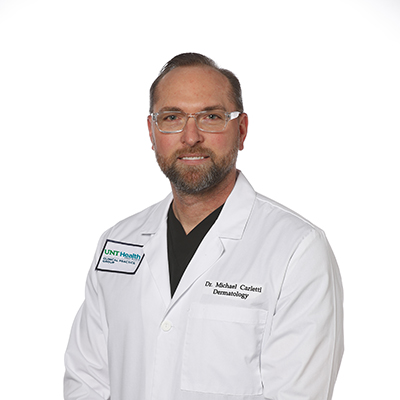 Dermatologist
Dr. Michael Carletti
Top Doctor 2025 – Fort Worth Magazine
 Dermatologist
Dr. Stephen Weis
Top Doctor 2025 – Fort Worth Magazine

Specialties & Concentrations

Medical
1 in 5 individuals are likely to have skin cancer, which is why as skin cancer specialists, we take prevention and screenings seriously.

Cosmetic
Neuromodulators like Xoemin, Dysport and Botox reduce the appearance of wrinkles, and a proper skincare routine can leave your skin healthier than ever.

Pediatric
As pediatric dermatologists in Fort Worth, we address everything from teen acne to childhood rashes. Our goal is to help your child feel comfortable in their own skin.

Surgical
If a cancerous or benign skin lesion is identified, we can perform surgical removal in-office.

Superficial Radiation Therapy (SRT)
SRT is an FDA-approved non-surgical treatment for basal and squamous cell skin cancer with limited discomfort, no cutting and stitches and little to no scarring.
★★★★★
Our Patients Are Saying…
★ “I have complete confidence in Dr. Weis with my dermatology concerns.“
★ “Dr. Weis is a great dermatologist and is always informative and professional, leaving me & my family without doubt on anything we inquire.“
★ “The doctor was very good to me. I like Dr. Carletti, and I recommend him to all my friends. He’s a very good doctor and I enjoy him taking care of me. Thank you for everything.“
★“As always Dr. Carletti took total care of me. Not only did he take care of my skin cancer problems he advised me on another non-related problem. Totally satisfied!“
General Hair Loss

Hair loss and thinning can result from a variety of factors, and understanding the underlying cause is key to effective treatment. Here are some common causes of hair loss and thinning:
- Genetics: Hereditary hair loss, also known as androgenetic alopecia, is the most common cause of hair loss in both men and women. It can result in a receding hairline, thinning at the crown or overall hair thinning.
- Hormonal changes: Hormonal fluctuations due to pregnancy, childbirth, menopause or thyroid problems can trigger hair loss. Conditions like polycystic ovary syndrome (PCOS) and changes in birth control pills can also impact hair growth.
- Medical conditions: Certain medical conditions, such as autoimmune diseases (e.g., alopecia areata), scalp infections and chronic illnesses, can lead to hair loss. Additionally, dermatological conditions like psoriasis or seborrheic dermatitis can affect the scalp and hair growth.
Uncovering the Factors Behind Hair Thinning at UNT Health Clinical Practice Group
- Nutritional deficiencies: A lack of essential nutrients like iron, vitamin D and protein can weaken hair and cause thinning. Poor diet or restrictive diets can also contribute to hair loss.
- Stress and lifestyle factors: Physical or emotional stress, including significant weight loss or a major life change, can trigger temporary hair loss, known as telogen effluvium. Harsh hair treatments, excessive styling and the use of heat or chemicals can also damage hair and lead to thinning.
- Medications and treatments: Certain medications, including those for cancer, arthritis, depression, heart problems and high blood pressure, can cause hair loss as a side effect. Radiation therapy to the head can also affect hair growth.
- Aging: As you age, hair naturally becomes thinner and more fragile. The growth phase of hair shortens, leading to less hair growth over time.
Understanding the cause of your hair loss is the first step in finding an effective treatment. A dermatologist specializing in hair loss can diagnose the underlying cause and recommend a personalized treatment plan.
In order to schedule an appointment, contact us at 817-735-7625 or fill out our online form today!

A medical dermatologist plays a crucial role in diagnosing and treating hair loss. They have the expertise to identify the underlying causes and provide effective treatment options tailored to your specific condition. Here’s how a medical dermatologist can help with hair loss:
- Comprehensive diagnosis: The first step in addressing hair loss is a thorough diagnosis. A dermatologist will examine your scalp and hair, review your medical history and may perform tests such as blood work or a scalp biopsy. These tests help pinpoint the exact cause of hair loss, whether it’s due to genetics, hormonal changes, nutritional deficiencies or underlying medical conditions.
- Personalized treatment plans: Once the cause is identified, the dermatologist will create a personalized treatment
plan. This plan may also include:
- Topical treatments: Medications like minoxidil (Rogaine) can be applied directly to the scalp to stimulate hair growth and slow down hair loss.
- Oral medications: Dermatologists can prescribe oral medications like finasteride (Propecia), oral minoxidil or spironolactone in order to regulate hormones and promote hair growth for certain types of hair loss.
- Lifestyle and dietary recommendations: Dermatologists may provide guidance on nutrition and lifestyle changes that can support healthy hair growth, including advice on supplements and hair care routines.
Personalized Hair Loss Solutions by UNT Health Clinical Practice Group Dermatologists
- Ongoing monitoring and support: Hair loss treatment is often a gradual process. Your dermatologist will monitor your progress and make adjustments to your treatment plan as needed. Regular follow-up appointments help track results and ensure that the chosen treatments are effective.
- Scalp and hair health management: In addition to treating hair loss, a dermatologist can address any underlying scalp conditions that may be contributing to the problem. For example, dandruff, psoriasis or seborrheic dermatitis.
A medical dermatologist provides a comprehensive approach to hair loss, addressing both the symptoms and the root cause to promote healthier, fuller hair.
In order to schedule an appointment, contact us at 817-735-7625 or fill out our online form today!

Dermatologists offer a variety of effective treatment options for hair loss, tailored to the underlying cause and the individual’s needs. At UNT Health Clinical Practice Group, our dermatologists provide comprehensive care using the latest techniques and therapies. Here are some of the key treatment options available:
- Topical treatments:
- Minoxidil (Rogaine): A common over-the-counter treatment, minoxidil is applied directly to the scalp to stimulate hair follicles and promote regrowth. It’s suitable for both men and women and can help slow hair loss while encouraging new growth.
- Topical corticosteroids: For conditions like alopecia areata, dermatologists may prescribe topical corticosteroids to reduce inflammation and encourage hair growth.
- Oral medications:
- Finasteride (Propecia): This prescription medication is used primarily for male pattern baldness. It works by blocking the hormone responsible for hair loss. As a result, this helps to slow or even reverse thinning hair.
- Oral Minoxidil: The oral version of this medication is used to treat both male and female pattern hair loss, particularly androgenetic alopecia.
- Spironolactone: Often prescribed for women, spironolactone helps address hair loss related to hormonal imbalances by reducing androgen levels.
- Injections:
- Corticosteroid injections: For autoimmune-related hair loss conditions like alopecia areata, corticosteroid injections can help reduce inflammation and promote hair regrowth.
Exploring Effective Hair Loss Treatments for You
- Prescription medications for underlying conditions: If hair loss is due to an underlying medical condition such as a thyroid disorder or iron deficiency, dermatologists may prescribe medications or supplements to address the root cause and support hair regrowth.
- Lifestyle and dietary recommendations: Dermatologists can provide guidance on nutrition, supplements and lifestyle changes that support healthy hair growth. This may also include advice on a balanced diet, stress management and gentle hair care practices.
- Hair care products: Dermatologists may recommend specific shampoos, conditioners and topical treatments designed to promote scalp health and improve the overall condition of the hair.
Each treatment plan is customized to the patient’s unique needs and the specific cause of hair loss. Our goal is to provide effective, long-term solutions that help restore hair and confidence.
In order to schedule an appointment, contact us at 817-735-7625 or fill out our online form today!
Treatments Variations for Females and Males

Female pattern hair loss (FPHL) is a common condition that affects many women, leading to thinning hair, especially on the crown and top of the scalp. Dermatologists use various treatment options to manage and slow down the progression of this condition. Here’s how they approach treating female pattern hair loss:
- Topical treatments:
- Minoxidil (Rogaine): Minoxidil is an FDA-approved topical treatment for female pattern hair loss. It helps to increase blood flow to the hair follicles, stimulating growth and slowing down hair loss. It’s available in 2% and 5% formulations and is applied directly to the scalp.
- Oral medications:
- Spironolactone: This oral medication is often prescribed to women with FPHL, especially when hair loss is related to hormonal imbalances. Spironolactone works by reducing androgen levels in the body, which can help slow hair loss and promote regrowth.
- Oral Minoxidil: The oral version of this medication is used to treat both male and female pattern hair loss, particularly androgenetic alopecia.
UNT Health Clinical Practice Group Offers Personalized Care for Women’s Hair Thinning
- Scalp treatments and products:
- Dermatologists may recommend specific shampoos, conditioners and topical treatments that promote scalp health and support hair growth. These products often contain ingredients like ketoconazole or caffeine, which can help strengthen hair and improve scalp circulation.
- Nutritional and lifestyle guidance:
- Since nutrition plays a role in hair health, dermatologists may provide dietary recommendations and suggest supplements, such as biotin, iron or vitamin D, if deficiencies are contributing to hair loss. Additionally, managing stress and practicing gentle hair care can support treatment.
- Managing expectations:
- Treatment for female pattern hair loss is a gradual process. Dermatologists will work with patients to set realistic expectations, as most treatments require several months to show visible improvement.
Each treatment plan is tailored to the individual’s needs and the severity of hair loss. The goal is to slow down hair thinning, stimulate regrowth and improve the overall appearance of the hair.
In order to schedule an appointment, contact us at 817-735-7625 or fill out our online form today!

Yes, a dermatologist for hair loss can help manage and treat postpartum hair loss. It’s common for new mothers to experience hair shedding a few months after childbirth, due to hormonal changes. While postpartum hair loss is usually temporary, a dermatologist can offer guidance and treatments to support hair regrowth and minimize hair loss. Here’s how they can help:
- Diagnosis and reassurance: A dermatologist can assess your hair and scalp to confirm that the hair loss is related to postpartum changes and not another underlying condition. This reassurance can provide peace of mind and help you understand what to expect during the hair shedding phase.
- Personalized hair care recommendations: Dermatologists can recommend a hair care routine that is gentle on the scalp and hair. This may include using a mild shampoo and conditioner, avoiding excessive heat styling and limiting harsh chemical treatments. Proper hair care can help reduce breakage and support the overall health of your hair.
- Nutritional guidance: Nutritional deficiencies, such as low iron or vitamin D levels, can sometimes worsen postpartum hair loss. A dermatologist can suggest dietary changes or supplements in order to ensure you receive the essential nutrients for healthy hair growth.
Expert Advice from UNT Health Clinical Practice Group on Postpartum Hair Regrowth
- Topical treatments: In some cases, dermatologists may recommend using topical treatments like minoxidil (Rogaine) to help stimulate hair growth and reduce shedding. This can be especially helpful if hair loss is more pronounced or persists longer than expected.
- Addressing hormonal balance: Although postpartum hair loss is typically related to hormonal shifts after pregnancy, other hormonal imbalances can contribute to hair thinning. A dermatologist can work with you and your healthcare provider to assess hormone levels and address any imbalances that may be affecting hair growth.
- Monitoring and follow-up: Your dermatologist will monitor the progress of your hair regrowth over time. They can make adjustments to your treatment plan if needed, ensuring that you receive the best possible care.
While postpartum hair loss usually resolves on its own within a few months, consulting with a dermatologist can help manage the condition and promote quicker hair recovery.
In order to schedule an appointment, contact us at 817-735-7625 or fill out our online form today!

Dermatologists use various effective treatments to manage and slow the progression of male pattern baldness, also known as androgenetic alopecia. This condition is the most common cause of hair loss in men, often resulting in a receding hairline and thinning on the crown. Here are some of the primary treatment options dermatologists offer for male pattern baldness:
- Topical treatments:
- Minoxidil (Rogaine): Minoxidil is an FDA-approved topical treatment for male pattern baldness. It’s applied directly to the scalp and works by stimulating hair follicles, increasing blood flow to the area and promoting hair growth. Consistent use can also help slow hair loss and, in some cases, regrow hair.
- Oral medications:
- Finasteride (Propecia): Finasteride is a prescription oral medication that helps reduce the hormone dihydrotestosterone, which is responsible for shrinking hair follicles in male pattern baldness. By lowering DHT levels, finasteride can slow hair loss and promote regrowth in some men.
- Oral Minoxidil: The oral version of this medication is used to treat both male and female pattern hair loss, particularly androgenetic alopecia.
Combating Male Pattern Baldness with UNT Health Clinical Practice Group’s Advanced Care
- Nutritional and lifestyle guidance:
- Dermatologists can also provide advice on nutrition and supplements that support healthy hair growth. Maintaining a balanced diet and managing stress levels can contribute to overall hair health.
- Customized treatment plans:
- Dermatologists will assess the individual’s specific hair loss pattern and severity to create a tailored treatment plan. This may also involve a combination of therapies to achieve the best results.
Each patient’s response to treatment may vary, and it’s important to start treatment early for the best outcomes. Dermatologists can help manage expectations and provide ongoing support throughout the treatment process.
In order to schedule an appointment, contact us at 817-735-7625 or fill out our online form today!

Yes, a dermatologist for hair loss specialist can help address receding hairlines in men. This common concern is often one of the first signs of male pattern baldness, and early intervention is key to slowing down its progression. Here’s how a dermatologist can help with a receding hairline:
- Accurate diagnosis: A dermatologist will start by assessing your hair and scalp to determine the cause of the receding hairline. While male pattern baldness is a common reason, other factors such as stress, hormonal changes or medical conditions might contribute to hair loss.
- Topical treatments:
- Minoxidil (Rogaine): This FDA-approved topical treatment can be applied directly to the scalp to stimulate hair growth and slow the progression of hair loss. Consistent use can help thicken hair and improve the appearance of a receding hairline.
- Oral medications:
- Finasteride (Propecia): Finasteride is an oral medication that reduces levels of dihydrotestosterone, the hormone responsible for shrinking hair follicles and causing hair loss. By lowering DHT levels, finasteride can slow or even stop the recession of the hairline in some men.
- Oral Minoxidil: The oral version of this medication is used to treat both male and female pattern hair loss, particularly androgenetic alopecia.
Supporting Men’s Hairline Restoration Journey at UNT Health Clinical Practice Group
- Customized treatment plans:
- A dermatologist will work with you to develop a personalized treatment plan tailored to your specific needs. This may also include a combination of therapies to achieve the best results and maintain a healthy hairline.
Dermatologists can provide both medical and procedural options to manage a receding hairline, helping to slow down hair loss and, in some cases, regrow hair.
In order to schedule an appointment, contact us at 817-735-7625 or fill out our online form today!